
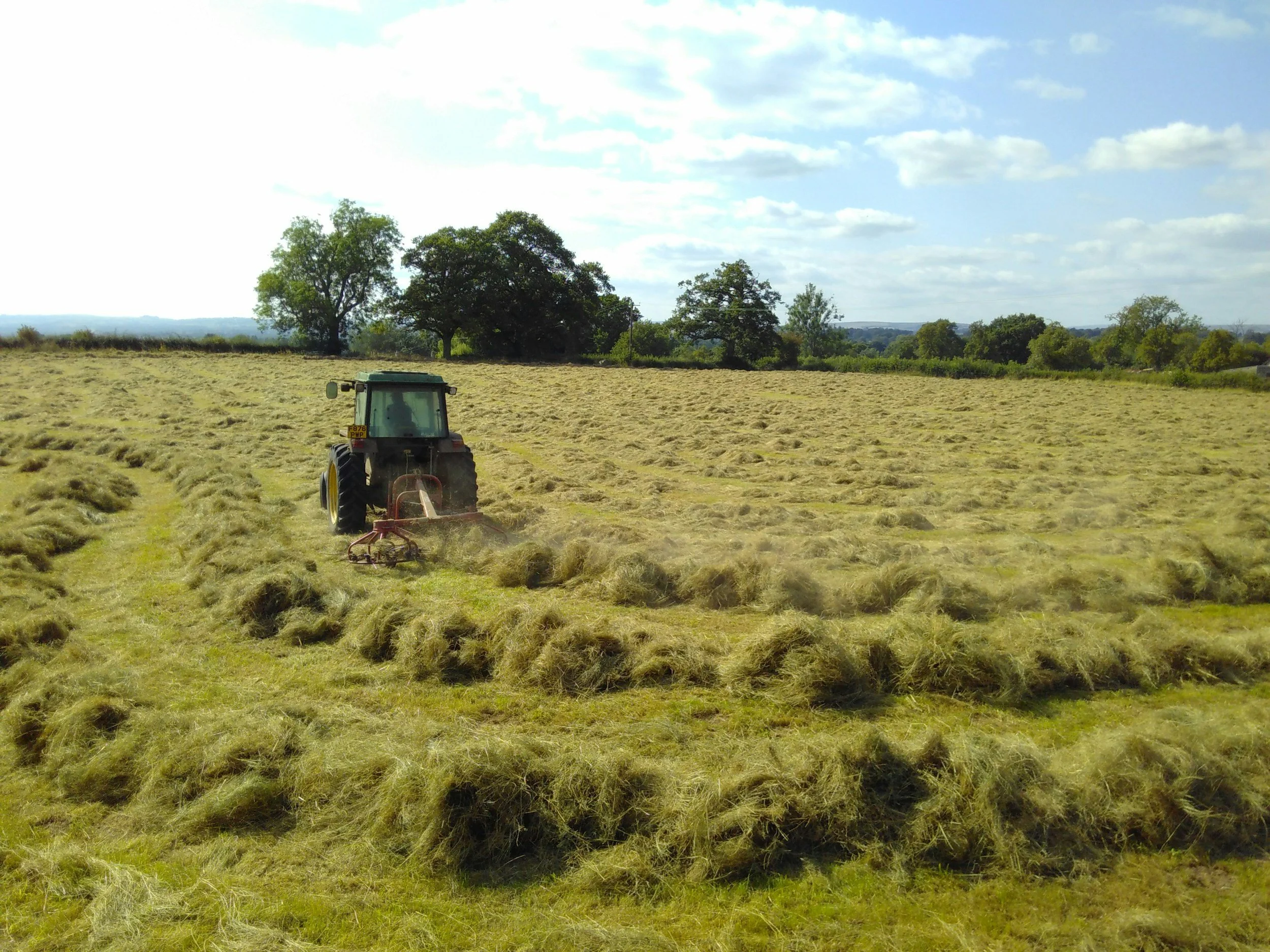
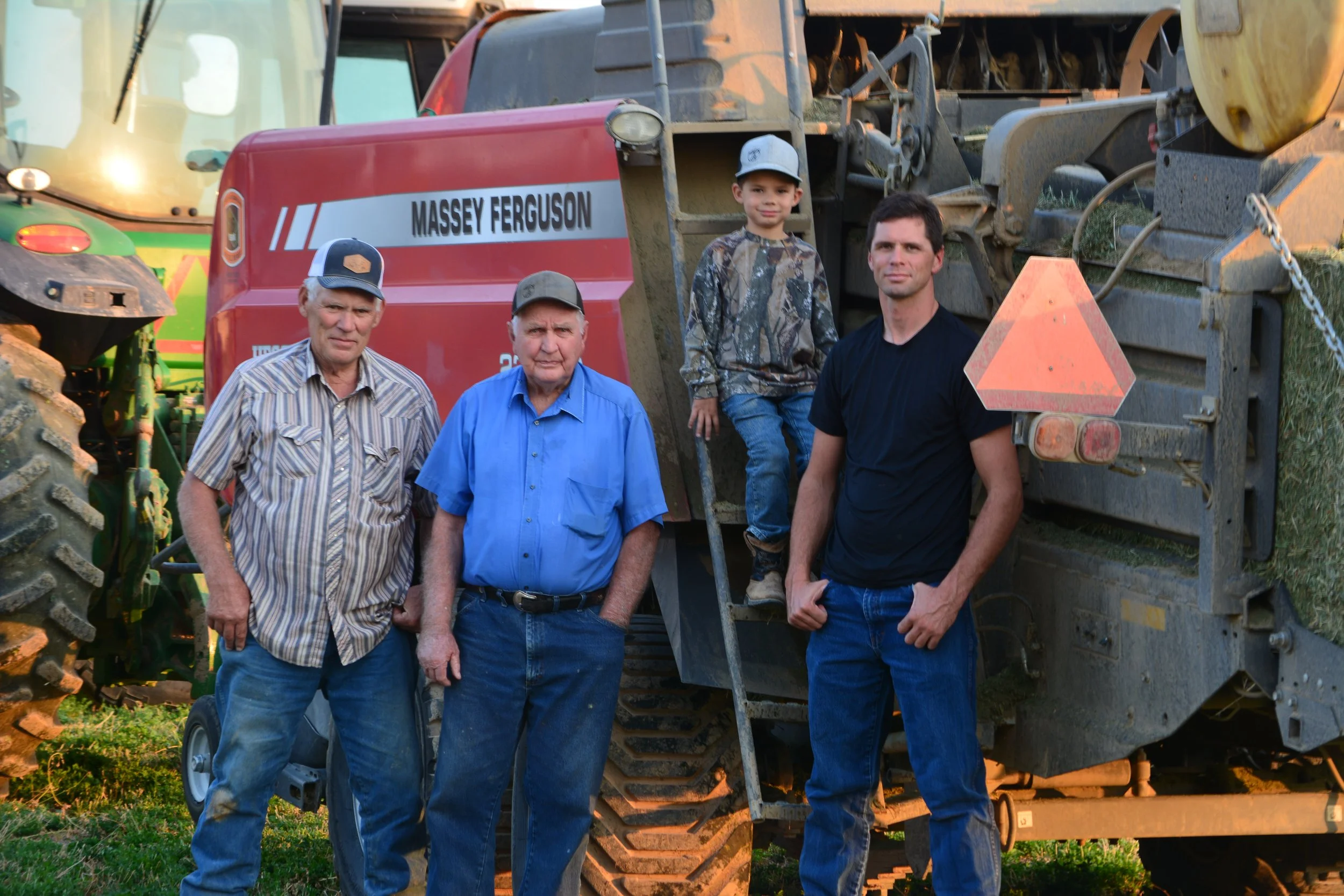
Lowell Whitaker Max whitaker
Allen Whitaker Matthew Whitaker
Farming
on this land
Since
1952
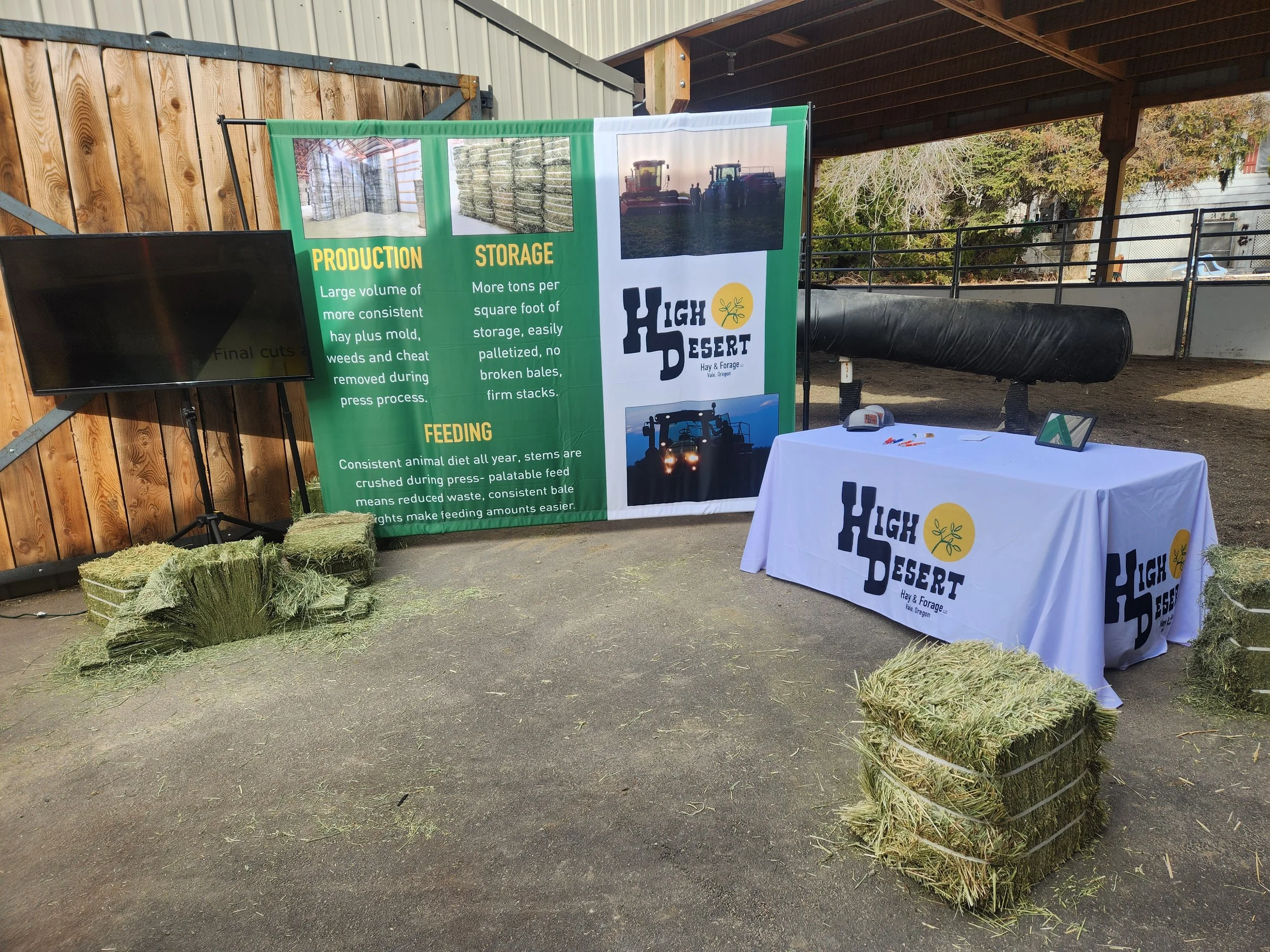
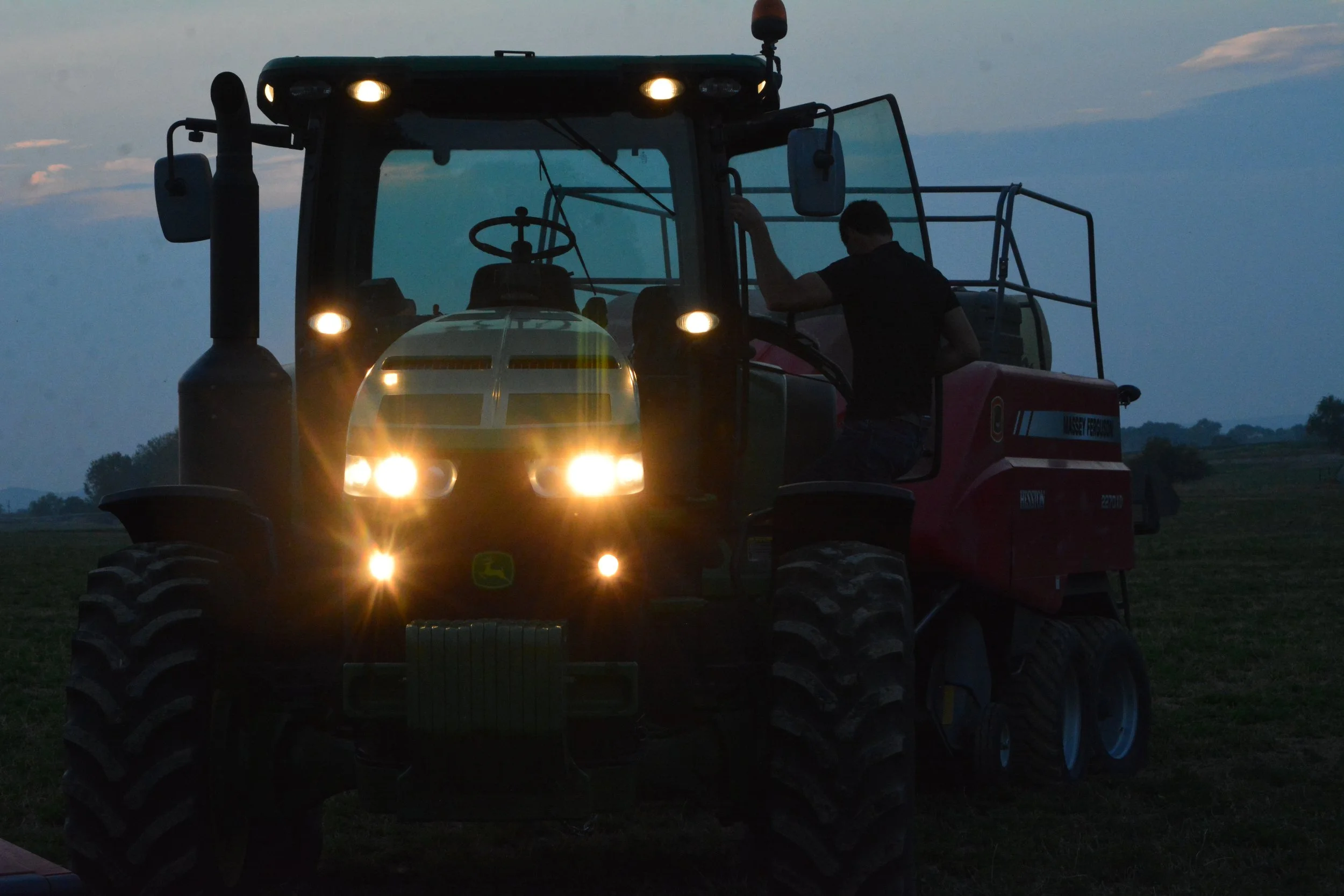
2020 we officially began pressing hay and high desert hay and forage is born
1952 to 1984
Allen Max whitaker operates a dairy on cedar road
1985 to 2019, lowell operates a dairy, row crop, and eventually leaves both to specialize in hay production
From Utah to ORegon
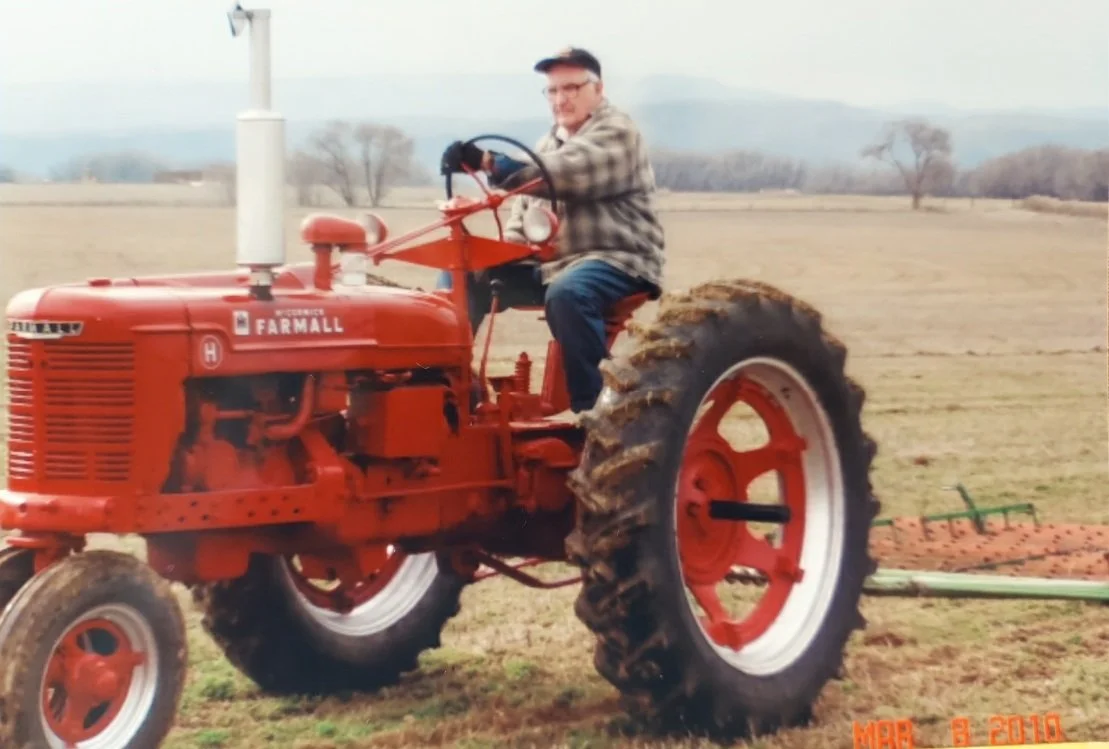
It all started with a Farmall-H tractor.
The one that killed my great-grandpa.
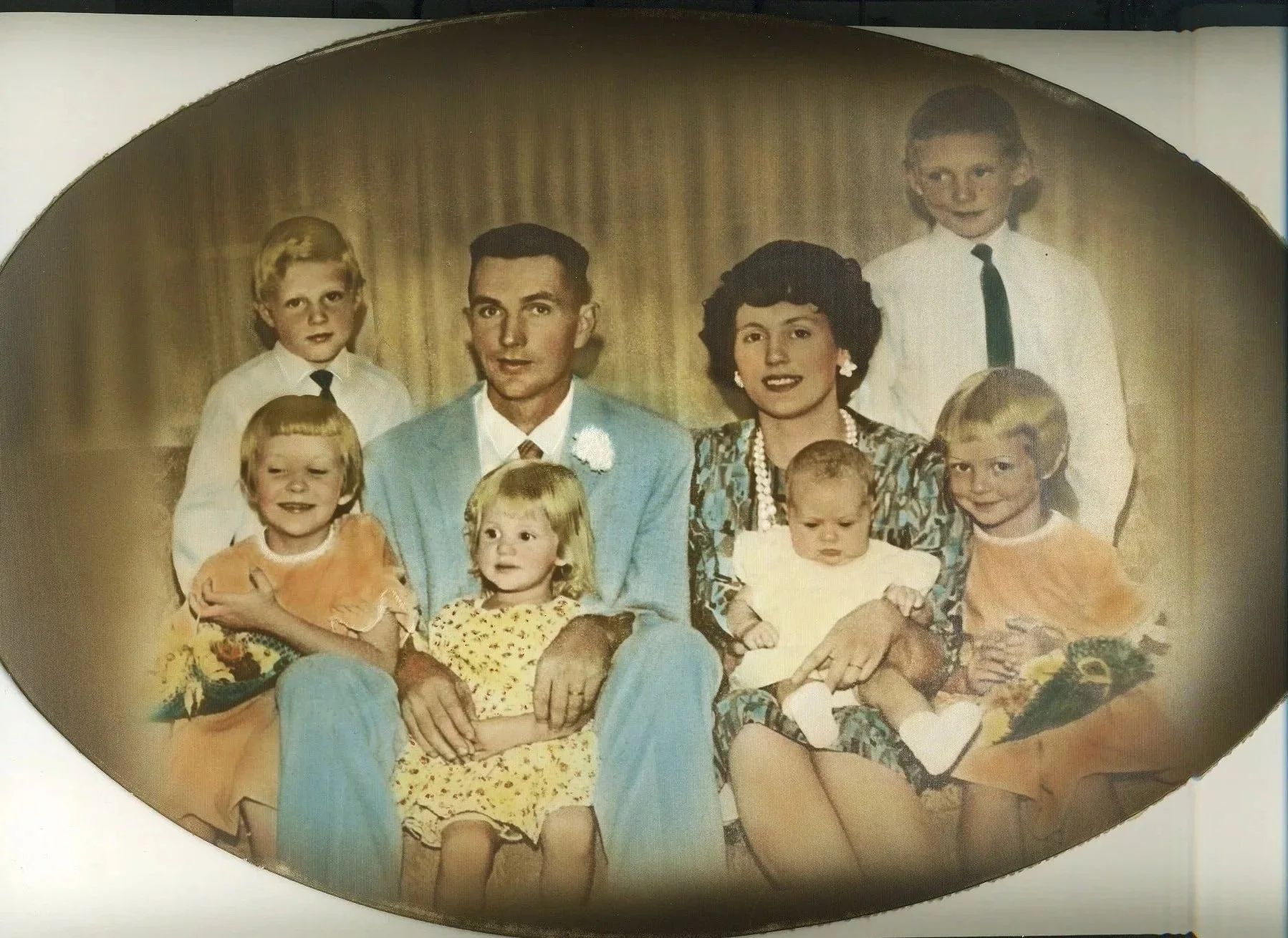
It was a tragic and life-changing moment. The moment that brought my entire family to this sleepy town of Vale from the Wasatch Front in Utah. My grandmother uprooted her children, and off they went to live closer to her brother in Oregon. Little did she know that this was just the beginning of the challenges.
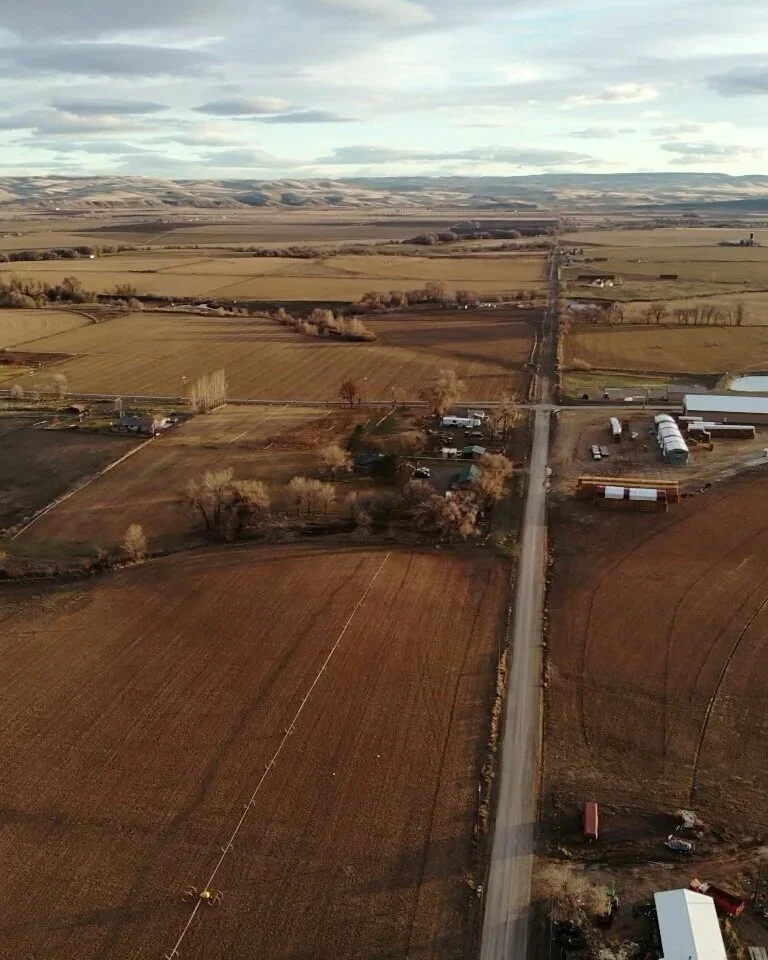
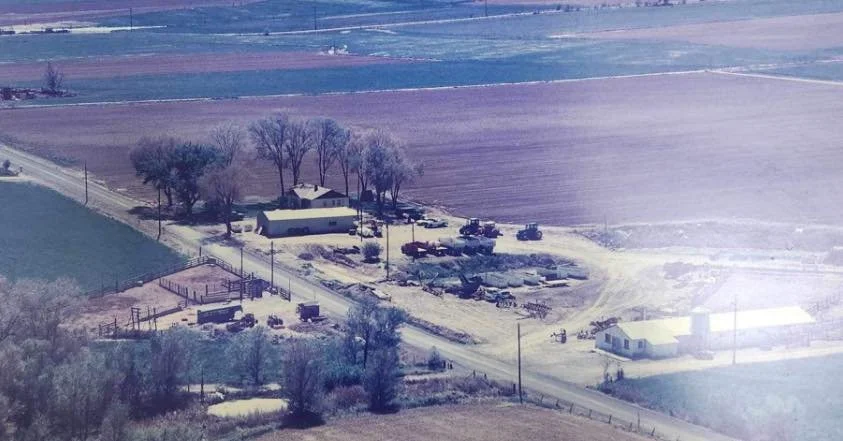
She found a temporary place to live until the sale of a bumper crop of potatoes, with which she purchased the "Cinder Block house on Cedar." It was a whopping $13,500 for 80 acres.
The year was 1952, and the Whitaker farm had officially begun... Until a fire broke out one night due to sawdust from the remodel activity. The whole house was lost. Thanks to good insurance coverage and the ward's efforts under the guidance of Bishop Saunders, the new house was ready by spring, but not before a winter spent in a rundown temporary house full of mice that drove everyone crazy.
The tractor is still here... a colorful reminder of the family's struggle and will to survive.
from Dairy to Hay
Eventually, Max Whitaker took over the family farm and even operated it while managing a local milk truck route. Young Lowell often went along on the route. To this day, he still points out the various barns and farms that his father stopped at.
Hard times returned with a vengeance, and Max had to sell the back 40 acres to the neighbors.
Lowell grew up and fell in love with his high school sweetheart, Ruth, while working for Ore-ida. After their wedding, they moved to Bruneo to start a dairy. Instead of using their savings for a baby, they used the money Ruth had saved to buy dairy heifers.
The struggle didn’t end for Max back home in Vale, so Lowell came back with his share of the dairy and bought out his father. They remodeled the dairy barn and began to build for bigger + better.
The 80s were tough for farms everywhere, and Lowell decided to use a government dairy buyout to end the dairy era and transitioned into rowcrop farming. Potatoes, sugar beets, wheat, and corn were grown throughout the 90s, and onions were added to the mix as well.
A crash in the onion market finally pushed Lowell into a complete hay operation. The contracts for row crops dried up, and the open market for hay changed the farming game. He started small with a 2-string baler and sold hay to various dairies and feedlots around the area.